

Swimming offers incredible benefits for your entire body. Swimming is not a magic pill, but regular exercise through swimming will help you improve your well-being, your body, and even your mental well-being. This is why many schools indulge students in water sports. With this, some students have realized that they want to be water sports enthusiasts. So if you plan to become one, you should learn the Lifesaving safety tips for water sports enthusiasts. Below are the benefits of swimming.
Relieves Stress
The stress-relieving benefits of being in the water are still being researched, but several small studies have suggested that a short swim can improve mood and psychological functioning. If you’re more interested in the anxiety-relieving aspects of swimming, aquatics might be an excellent outlet for you.
Maintains Healthy Weight
Swimming at a slow or moderate pace allows you to burn a significant amount of calories without overtaxing your body. Slow swimming burns more calories in less time than simple exercises like walking or yoga, making it an effective approach to exercise. This is one of the reasons some people why they engage in swimming.
Safe for Pre-Existing Conditions
 If you have diabetes, multiple sclerosis, asthma, or other diseases, or have mobility issues, swimming is a safe and effective way to exercise. For people with joint problems, swimming offers a safe place to exercise without putting undue stress on the joints. Pregnant women are also encouraged to swim because it provides weightlessness that other exercises cannot. Additionally, studies show that swimming provides the same health benefits as other more extreme exercises, making it a great alternative if more rigorous exercises aren’t safe for you.
Swimming is a great exercise for all ages. While children are more intrigued by the joys of splashing and playing in the water, swimming against the current or performing various types of water treatments offers adults a way to exercise effectively and safely. Following swimming safety rules is essential, no matter how experienced you are as a swimmer. Also, if you attend a pool, it can be a great idea to be trained in CPR if one of your teammates needs help.

 While many Americans consume enough protein, you can improve your overall diet by mixing up your protein sources, such as adding fish. You can switch more often toward dairy foods, especially low-fat cheese, milk, cheese, and yogurt. These foods can promote fiber and essential nutrients such as magnesium and vitamin E. For an inexpensive meal, consider eggs, which are also rich in phytonutrients such as lutein and zeaxanthin, which can help protect vision.
 Intermittent fasting has been all the rage lately. But along with this strategy, breakfast is still incredibly important to many people. But aside from this practice, for most people, breakfast is still incredibly important. A regular morning meal is a positive nutrition, linked to better overall health, better diet quality, a healthier body weight, and more. If you’re snacking too much at night, the first improvement is to start with breakfast.
 Life is supposed to be precious. From time to time, it’s okay to indulge with a sweet tooth. In some diets, there is room for a small amount of sugar and saturated fat (bacon on a sandwich or salad), a sugary cookie, or cereal. Foods high in sugar and saturated fat may taste good, but they also carry a lot of fantastic health risks. By keeping these ‘extras’ to a minimum, you can make healthy changes. Skip the butter and sour cream on a baked potato to enjoy a small dish of ice cream.

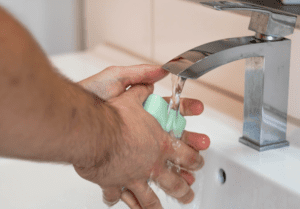 Water is good for your skin and internal organs. Many studies show that adequate water intake can make your skin glow. Pure water is good for skin elasticity and even complexion. Filtered water can moisturize the skin and improve its elasticity. This makes it look young and healthy. It also has a cleansing and detoxifying effect and helps prevent acne and other hair and dermatological problems.
 Purified water is an excellent remedy for weight loss if you are overweight. Drink at least one glass of water before each meal. You may also prefer to drink water instead of snacking. Being able to drink water can give your body the energy it needs to complete routine tasks. If you drink water before you eat, you can make sure you only eat what you need. It also makes you feel fuller.
 When choosing a telehealth service, it is crucial to consider the platform’s design. The interface should be easy to use and navigate. Additionally, the service should offer a variety of features such as video chat, messaging, and file sharing.
 Since your medical details are sensitive, you should ensure that the platform of choice is as secure as possible. This includes having a VPN and other security measures to ensure your information is not exposed. Unfortunately, many scammers pose as telehealth providers, so do your research to ensure the company is legitimate.