

Your smile is often the first impression you make on someone. But what happens when that smile isn’t as bright or healthy as it should be? Oral health plays a crucial role in your overall well-being, and sometimes our mouths send out warning signals that shouldn’t be ignored. If you’ve noticed something off with your teeth or gums, it’s essential to pay attention. On the other hand, many people make the mistake of focusing only on the whiteness of their teeth for physical attractiveness not realizing that it is just a small part of the overall oral health. Here are four signs that indicate it might be time for a trip to the dentist.
Persistent Bad Breath
Teeth and Physical Attractiveness: How does the two connected? Explaining the answer to this question will eventually lead to something as simple as bad breath. Persistent bad breath, or halitosis, is more than just an occasional issue. If you find that your mouth has a constant unpleasant odor despite regular brushing and flossing, it could be a sign of underlying problems. Diet can play a role; certain foods like garlic or onions can linger long after eating. However, if the smell persists regardless of what you eat, it might point to gum disease or tooth decay. Bacteria in the mouth thrive on food particles and plaque. When not adequately cleaned away, they produce sulfur compounds that contribute to bad breath. Hydration also matters. A dry mouth reduces saliva flow, which is crucial for washing away bacteria and debris.
Gum Issues

Gum issues can often be overlooked, but they are crucial to your oral health. If you notice signs of redness or swelling in your gums, it may indicate a problem. Healthy gums should have a pink hue and fit snugly around your teeth. Bleeding during brushing is another red flag. If your gums bleed frequently, this could signal gingivitis or more severe periodontal disease. Ignoring these symptoms can lead to significant complications down the line. Bad breath can also stem from gum problems.
Tooth Sensitivity
Tooth sensitivity can be a surprising and uncomfortable experience. It often manifests as sharp pain when consuming hot or cold foods and beverages. This reaction is not just annoying; it signals that something might be off with your dental health. Several factors contribute to this sensitivity. Worn enamel, exposed roots, or even gum recession can lead to heightened nerve exposure in the teeth. If brushing too hard has become a habit, you may inadvertently cause damage that leads to discomfort. Certain dental conditions like cavities or cracked teeth also play a role in increasing sensitivity levels.
Loose or Shifting Teeth
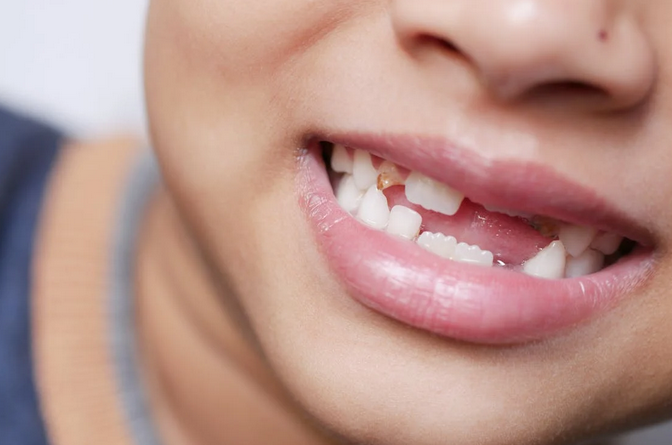
Loose or shifting teeth can be alarming, signaling that something isn’t quite right. This issue often arises from gum disease, which weakens the supporting structures of your teeth. If you notice any movement in your teeth, it’s critical to act promptly. Sometimes, underlying conditions like bone loss or trauma can contribute to this problem. Pay attention to how your bite feels too; if it seems off or uncomfortable, don’t ignore it. Shifting teeth may lead to misalignment and further complications down the line. Regular dental check-ups are essential for maintaining a healthy mouth and addressing issues early on.
Taking care of your oral health is essential for overall well-being. If you notice any of these signs, don’t dismiss them. Persistent bad breath, gum issues, tooth sensitivity, and loose or shifting teeth can indicate underlying problems that require professional attention. Being proactive about your dental health can prevent more serious issues down the line. Schedule regular check-ups with your dentist and maintain a good oral hygiene routine at home. Your smile deserves the best care possible!


 Herbal supplements are more effective than prescription drugs in increasing testosterone levels for an optimal sex drive. You need to make sure you choose the right herbs. Tongkat Ali is an excellent herbal supplement to increase testosterone levels. Tongkat Ali is a natural supplement that can improve the length and girth of the male genitals. It has many benefits that can be used to improve your mental health and sexual pleasure for both you and your partner.
 While many Americans consume enough protein, you can improve your overall diet by mixing up your protein sources, such as adding fish. You can switch more often toward dairy foods, especially low-fat cheese, milk, cheese, and yogurt. These foods can promote fiber and essential nutrients such as magnesium and vitamin E. For an inexpensive meal, consider eggs, which are also rich in phytonutrients such as lutein and zeaxanthin, which can help protect vision.
 Intermittent fasting has been all the rage lately. But along with this strategy, breakfast is still incredibly important to many people. But aside from this practice, for most people, breakfast is still incredibly important. A regular morning meal is a positive nutrition, linked to better overall health, better diet quality, a healthier body weight, and more. If you’re snacking too much at night, the first improvement is to start with breakfast.
 Life is supposed to be precious. From time to time, it’s okay to indulge with a sweet tooth. In some diets, there is room for a small amount of sugar and saturated fat (bacon on a sandwich or salad), a sugary cookie, or cereal. Foods high in sugar and saturated fat may taste good, but they also carry a lot of fantastic health risks. By keeping these ‘extras’ to a minimum, you can make healthy changes. Skip the butter and sour cream on a baked potato to enjoy a small dish of ice cream.
 This is the most researched, tested, and proven
  The omega-3 fatty acids EPA (eicosapentaenoic acid) and DHA are crucial for good health. They are also one of the most important nutrients for you. These fatty acids can help you build muscle or burn fat. Omega-3 fatty acids are known for their health benefits. They can improve cardiovascular health, brain function, and skin quality. They also support the immune system. These supplements are also helpful in promoting muscle growth.