
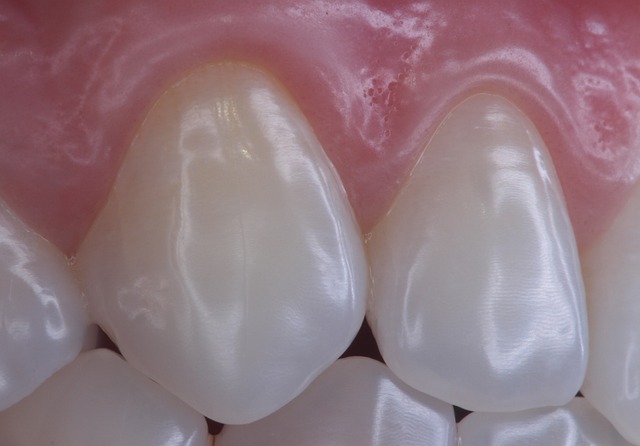
According to Quarryparkdental.com, your smile is a powerful tool, but its health goes beyond just having pearly whites. Healthy gums play a crucial role in maintaining your overall oral health and well-being. Unfortunately, gum disease is a common issue that many people face. In this article, we’ll explore what gum disease is, its causes, symptoms, and, most importantly, how to prevent it so your smile stays bright and healthy.
What Is Gum Disease?
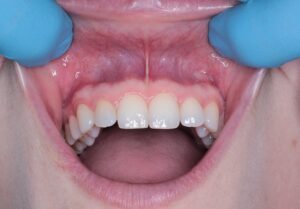 Gum disease, also known as periodontal disease, is a common and preventable oral health condition that affects the tissues surrounding your teeth. It starts with the inflammation of the gums (gingivitis) and, if left untreated, can progress to more severe forms, potentially leading to tooth loss. The main cause of gum disease is the accumulation of plaque, a sticky film of bacteria that forms on your teeth and gums. If not removed by regular brushing and flossing, plaque can harden into tartar, which is more challenging to remove and can harbor harmful bacteria.
Symptoms of Gum Disease
One of the most frustrating aspects of gum disease is that it often goes unnoticed until it reaches an advanced stage. However, some signs can indicate that something is not right with your gums. These include:
- Bleeding gums when brushing or flossing
- Swollen, red, or tender gums
- Receding gum line
- Persistent bad breath
- Loose teeth
If you experience any of these symptoms, it’s essential to visit your dentist for a proper diagnosis and treatment.
Causes of Gum Disease
Poor oral hygiene is the main cause of gum disease. However, other factors can increase your risk, such as:
- Hormonal changes (e.g., during pregnancy or menopause)
- Certain medications that reduce saliva production
- Diabetes
- Smoking and tobacco use
- Genetics
Prevention of Gum Disease
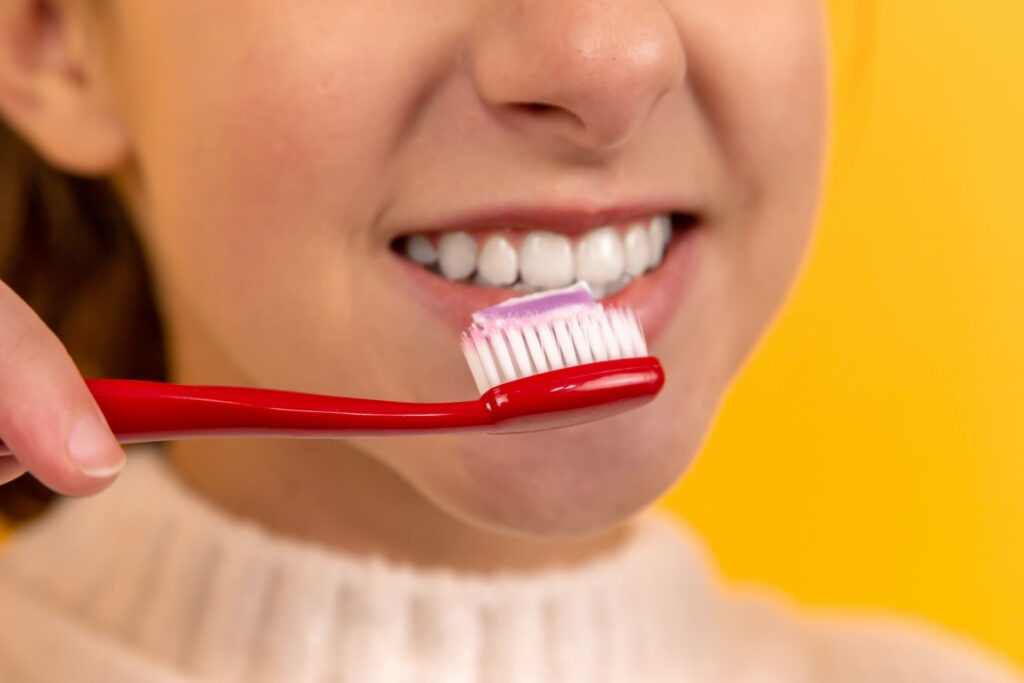
Prevention is always better than treatment, and the same applies to gum disease. Here are some tips to keep your gums healthy:
- Brush your teeth twice a day with fluoride toothpaste.
- Floss daily to remove plaque and food particles from between your teeth.
- Visit your dentist regularly for professional cleanings and checkups.
- Eat a balanced diet rich in vitamins and minerals.
- Avoid smoking and tobacco use.
- Manage any chronic health conditions, such as diabetes, that can increase your risk of gum disease.
Take care of your gums to protect your smile and overall health. By being proactive about prevention, you can avoid the pain, discomfort, and potential tooth loss associated with gum disease. If you suspect you have gum disease or want to learn more about how to maintain healthy gums, consult with your dentist today. Remember, a healthy smile starts with healthy gums! Keep brushing, flossing, and visiting your dentist regularly for optimal oral health. In addition, consider incorporating anti-bacterial mouthwash into your daily routine for added protection against gum disease-causing bacteria.
In Conclusion
Gum disease is a common dental issue, but it’s preventable and manageable with proper care. By maintaining a consistent oral hygiene routine, visiting your dentist regularly, and addressing risk factors, you can keep your gums healthy, protect your teeth, and continue sharing your beautiful smile with the world.

 While many Americans consume enough protein, you can improve your overall diet by mixing up your protein sources, such as adding fish. You can switch more often toward dairy foods, especially low-fat cheese, milk, cheese, and yogurt. These foods can promote fiber and essential nutrients such as magnesium and vitamin E. For an inexpensive meal, consider eggs, which are also rich in phytonutrients such as lutein and zeaxanthin, which can help protect vision.
 Intermittent fasting has been all the rage lately. But along with this strategy, breakfast is still incredibly important to many people. But aside from this practice, for most people, breakfast is still incredibly important. A regular morning meal is a positive nutrition, linked to better overall health, better diet quality, a healthier body weight, and more. If you’re snacking too much at night, the first improvement is to start with breakfast.
 Life is supposed to be precious. From time to time, it’s okay to indulge with a sweet tooth. In some diets, there is room for a small amount of sugar and saturated fat (bacon on a sandwich or salad), a sugary cookie, or cereal. Foods high in sugar and saturated fat may taste good, but they also carry a lot of fantastic health risks. By keeping these ‘extras’ to a minimum, you can make healthy changes. Skip the butter and sour cream on a baked potato to enjoy a small dish of ice cream.
 One of the most effective home remedies for hemorrhoids is a warm sitz bath. A sitz bath involves soaking in a shallow basin, generally filled with warm water and salt. This can help reduce swelling and discomfort associated with hemorrhoids. The warmth of the bath also helps to relax the anal muscles and surrounding tissue, leading to relief from pain. For best results, try to spend at least 20 minutes in the bath, 3-4 times a day. While you can buy a specific sitz bath from the store, you can also create one at home by using a regular basin and adding warm water.
 Another effective home remedy worth trying is aloe vera. Aloe vera is known for its anti-inflammatory and healing properties, which can help reduce the pain and discomfort of hemorrhoids. You can apply some freshly extracted aloe vera gel to the affected area several times daily for the best results. You could also drink fresh aloe vera juice to help digestion and reduce the irritation caused by hemorrhoids.
 The first thing you should do when scheduling your doctor’s appointment is to find an online clinic. There are several great clinics out there that will give you the care and compassion of a local physician, but without having to leave home or work!
 Once you have found a doctor who can meet your needs through remote care, call or email to schedule an appointment! The process is straightforward. You will likely talk with someone on staff about the nature of your visit, what insurance information they need from you, how much it will cost out-of-pocket, etc.
 When you have a doctor appointment remotely, it is essential to be active during the visit. Be sure to ask questions if they don’t seem clear! If your physician needs more information about what medications you take or other health issues, make sure that you give them all of the details to provide an accurate diagnosis. Be sure to write down any questions that you have for your doctor if they cannot answer them during the appointment!