
A Consumer’s Guide to Safe Supplements: What to Check Before Buying AnythingA Consumer’s Guide to Safe Supplements: What to Check Before Buying Anything

Supplement shopping used to feel simple. Now it’s a maze of bold promises, flashy labels, and formulas that all sound superior to the next. Did you know that supplement quality testing reveals bioactive concerns? For example, some finally highlighted how easy it is for shoppers to buy a product that delivers far less than expected. With so much noise, buyers need clear steps to sort truth from nonsense. Choosing a safe supplement shouldn’t feel like guesswork. You deserve products that match the ingredients printed on the label. You also deserve formulas that contain meaningful amounts instead of dust-level doses. A few smart checks can save your wallet, your energy, and maybe even your health.

Check for Transparent Ingredient Lists

Many people don’t realize how vague some labels are. Companies often hide weak doses inside “proprietary blends.” These blends sound scientific, but they block you from seeing what you’re actually paying for. If you can’t verify amounts, it becomes impossible to know if the formula is strong enough. Look for clear numbers next to each ingredient. Brands that provide exact amounts show they have nothing to hide. If the label reads like a puzzle, move on. Open information gives you the power to make a confident choice.

Know the Difference Between Real Science and Flashy Claims

list of ingredients

Some formulas promise dramatic improvements. They toss around big phrases to attract attention. The problem is that many of these statements stretch beyond what research supports. A supplement can have potential benefits without needing exaggerated claims. Look for grounded explanations about how the ingredients work. Simple, practical breakdowns are more reassuring than hype. If the product description reads like a comic book superpower list, that’s your cue to pause. Supplements should aim for steady support, not fantasy-level transformation.

Look for Third-Party Testing

One of the smartest steps is checking for independent lab testing. This type of testing helps confirm that the product contains real, active ingredients. Without it, you’re trusting a label based on marketing alone. Many consumers have learned the hard way that packaging can’t speak for purity. Reliable companies often mention who tested their supplements and what was evaluated. They take quality seriously because long-term trust matters. If you see no signs of external verification, treat that silence as a red flag. A trustworthy brand welcomes scrutiny.

Be Cautious With Marine or Botanical Extracts

capsule

Ingredients like seaweed extracts can vary widely in quality. Some formulas contain strong, active compounds. Others contain barely anything at all. That difference can make or break the supplement’s effectiveness. This is why lab testing matters even more for plant-based and marine ingredients. These extracts aren’t all created equal. Knowing the source, the extraction method, and the testing results helps you avoid weak products. A little research here keeps you away from disappointing formulas.

Trust Brands That Communicate Clearly

A good supplement company speaks clearly instead of confusing shoppers with jargon. They explain ingredients, dosage, testing, and sourcing without dodging questions. That kind of honesty builds confidence fast. You should never feel like you’re decoding a secret message to understand what you’re buying. Brands that keep communication simple usually value long-term customer trust. They know clarity beats smoke-and-mirrors marketing. Spending your money with companies that talk straight gives you a better shot at getting what you pay for.


Related Post

buttocks

Home Remedies That Can Actually Ease and Combat HemorrhoidsHome Remedies That Can Actually Ease and Combat Hemorrhoids

All the pain and discomfort caused by hemorrhoids can make it hard to live a normal life. Hemorrhoids can be formed in various ways, such as through pregnancy or obesity. You can click here to learn more about hemorrhoids and other facts about anus. While most people try to treat the symptoms with over-the-counter medications, a few home remedies can help ease and combat hemorrhoids. Not only are these home remedies safe and natural, but they are also far more economical than many medications. So read on. We’ve listed some of the most effective home remedies to help you tackle hemorrhoids.

Warm Sitz Baths

bathOne of the most effective home remedies for hemorrhoids is a warm sitz bath. A sitz bath involves soaking in a shallow basin, generally filled with warm water and salt. This can help reduce swelling and discomfort associated with hemorrhoids. The warmth of the bath also helps to relax the anal muscles and surrounding tissue, leading to relief from pain. For best results, try to spend at least 20 minutes in the bath, 3-4 times a day. While you can buy a specific sitz bath from the store, you can also create one at home by using a regular basin and adding warm water.

Stool Softener

Did you know that hard or lumpy stools can worsen your hemorrhoids? Stool softeners can help make stool easier, reducing the irritation and discomfort caused by hemorrhoids. You can opt for over-the-counter stool softeners such as docusate sodium tablets. Alternatively, you could also try drinking more fluids like water and juice, which can help soften your stools. In some cases, your doctor may also recommend taking fiber supplements like psyllium husk to help ease constipation.

Witch Hazel

If you are looking for something natural to relieve the symptoms of hemorrhoids, then witch hazel is the perfect remedy. Witch hazel is a plant extract that has astringent and anti-inflammatory properties. When applied topically to the affected area, it can reduce swelling and relieve itching and burning sensations. To use witch hazel, simply soak a cotton ball in the extract and apply it to the affected area several times daily. Just be sure to avoid any direct contact with your eyes and mouth while applying the extract.

Aloe Vera

aloe veraAnother effective home remedy worth trying is aloe vera. Aloe vera is known for its anti-inflammatory and healing properties, which can help reduce the pain and discomfort of hemorrhoids. You can apply some freshly extracted aloe vera gel to the affected area several times daily for the best results. You could also drink fresh aloe vera juice to help digestion and reduce the irritation caused by hemorrhoids.

These are just some home remedies that can help ease and combat hemorrhoids. If you have any further questions, be sure to consult your doctor or healthcare provider for advice on how to manage your condition best. Remember, prevention is always better than cure. So try to make lifestyle changes, such as eating a high-fiber diet and getting regular exercise, to help reduce your risk of developing hemorrhoids.

How Yogis Maintain Balance: Physical and Mental Health StrategiesHow Yogis Maintain Balance: Physical and Mental Health Strategies

Balance is central to a yogi’s lifestyle. It is not just about holding a perfect pose on a mat. It encompasses the way they move, think, and interact with the world. Yogis understand that physical and mental equilibrium are intertwined. Ageless Brain side effects yogis should be aware of potential headaches, digestive changes, or mild fatigue when first starting the supplement. While many users report improved mental clarity and focus, it is important to monitor how your body responds. Maintaining balance requires deliberate habits, self-awareness, and a commitment to overall well-being.

Physical Practices for Stability

Physical balance starts with movement. Yogis practice asanas, postures designed to strengthen muscles, improve flexibility, and enhance coordination. Standing poses like tree pose or warrior sequences engage stabilizing muscles. Core work, through planks or boat pose, further develops stability. This focus on controlled movement ensures the body can handle challenges both on and off the mat.

Breathwork and Its Role

people

Breath is a cornerstone of yogic practice. Controlled breathing, or pranayama, connects body and mind. Deep, rhythmic breaths calm the nervous system and improve oxygen delivery to muscles and organs. Breathwork also helps manage energy, reducing tension and stress. For yogis, this practice is essential to maintaining balance during challenging postures and daily life demands.

Mental Focus and Mindfulness

A unique aspect of yogic balance is the emphasis on mindfulness. Mental focus allows yogis to stay present, noticing both body sensations and emotional states. Meditation enhances awareness, reducing reactivity to stressors. By integrating mindfulness into daily routines, yogis maintain emotional stability and mental clarity. Over time, this practice strengthens resilience and supports better decision-making.

Nutrition and Energy Management

Balance is not limited to physical and mental domains. It extends to what yogis consume. Mindful eating emphasizes natural, nutrient-rich foods that sustain energy levels without causing spikes or crashes. Hydration, timing of meals, and awareness of portion sizes ensure the body functions optimally. Nutrition acts as the foundation for physical performance, mental clarity, and overall vitality.

Rest and Recovery

yoga

Yogis place great importance on recovery. Sleep, gentle stretching, and restorative poses allow the body to repair and regenerate. Overtraining or ignoring rest disrupts balance and leads to fatigue or injury. Recovery routines, practiced consistently, support muscular health, hormone regulation, and mental rejuvenation. This approach ensures the body is ready for daily practice and life’s demands.

Stress Management Techniques

Life’s pressures can easily destabilize both mind and body. Yogis employ techniques to manage stress effectively. Meditation, breath control, and intentional movement reduce cortisol levels and promote relaxation. This creates a buffer against anxiety and mental fatigue. The ability to navigate stressful situations calmly reflects the synergy between physical and mental balance in a yogic lifestyle.

Consistency is crucial to maintaining balance. Daily practice, even in small increments, compounds over time. Yogis cultivate routines that incorporate movement, meditation, proper nutrition, and rest. They ensure their practices are sustainable and adaptable. Over the years, these habits form a foundation for enduring physical health and mental clarity, demonstrating that balance is not a one-time achievement but a lifelong pursuit.

biocorrosion

Gum Disease: Causes, Symptoms, and PreventionGum Disease: Causes, Symptoms, and Prevention

According to Quarryparkdental.com, your smile is a powerful tool, but its health goes beyond just having pearly whites. Healthy gums play a crucial role in maintaining your overall oral health and well-being. Unfortunately, gum disease is a common issue that many people face. In this article, we’ll explore what gum disease is, its causes, symptoms, and, most importantly, how to prevent it so your smile stays bright and healthy.

What Is Gum Disease?

What Is Gum Disease?Gum disease, also known as periodontal disease, is a common and preventable oral health condition that affects the tissues surrounding your teeth. It starts with the inflammation of the gums (gingivitis) and, if left untreated, can progress to more severe forms, potentially leading to tooth loss. The main cause of gum disease is the accumulation of plaque, a sticky film of bacteria that forms on your teeth and gums. If not removed by regular brushing and flossing, plaque can harden into tartar, which is more challenging to remove and can harbor harmful bacteria.
Symptoms of Gum Disease

One of the most frustrating aspects of gum disease is that it often goes unnoticed until it reaches an advanced stage. However, some signs can indicate that something is not right with your gums. These include:

  • Bleeding gums when brushing or flossing
  • Swollen, red, or tender gums
  • Receding gum line
  • Persistent bad breath
  • Loose teeth

If you experience any of these symptoms, it’s essential to visit your dentist for a proper diagnosis and treatment.

Causes of Gum Disease

Poor oral hygiene is the main cause of gum disease. However, other factors can increase your risk, such as:

  • Hormonal changes (e.g., during pregnancy or menopause)
  • Certain medications that reduce saliva production
  • Diabetes
  • Smoking and tobacco use
  • Genetics

Gum Disease

Prevention of Gum Disease

Prevention is always better than treatment, and the same applies to gum disease. Here are some tips to keep your gums healthy:

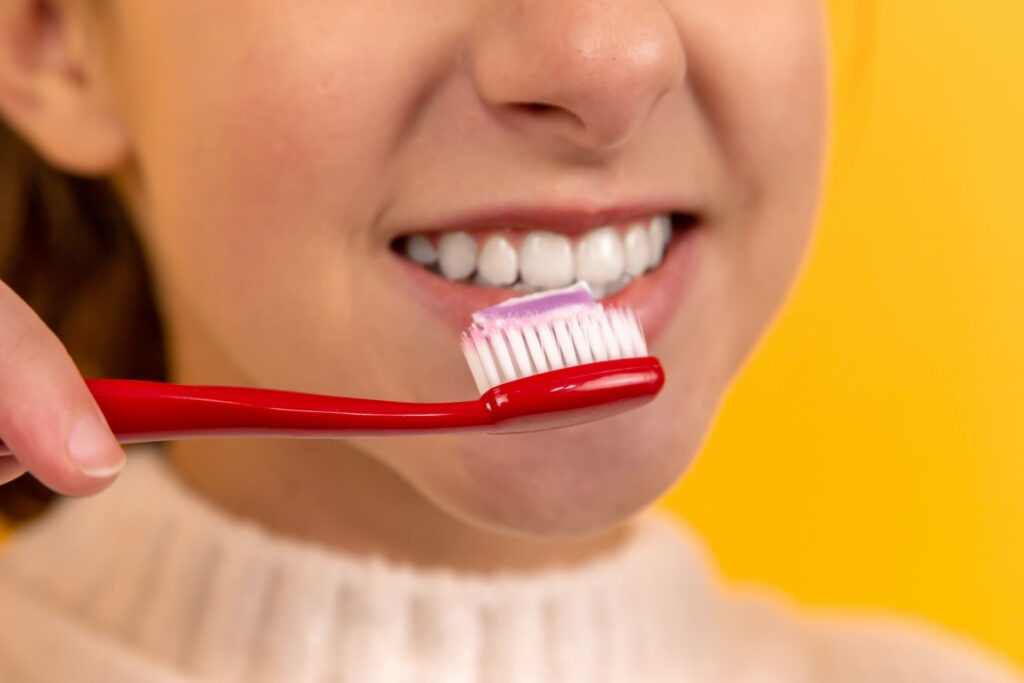
  • Brush your teeth twice a day with fluoride toothpaste.
  • Floss daily to remove plaque and food particles from between your teeth.
  • Visit your dentist regularly for professional cleanings and checkups.
  • Eat a balanced diet rich in vitamins and minerals.
  • Avoid smoking and tobacco use.
  • Manage any chronic health conditions, such as diabetes, that can increase your risk of gum disease.

Take care of your gums to protect your smile and overall health. By being proactive about prevention, you can avoid the pain, discomfort, and potential tooth loss associated with gum disease. If you suspect you have gum disease or want to learn more about how to maintain healthy gums, consult with your dentist today. Remember, a healthy smile starts with healthy gums! Keep brushing, flossing, and visiting your dentist regularly for optimal oral health. In addition, consider incorporating anti-bacterial mouthwash into your daily routine for added protection against gum disease-causing bacteria.

In Conclusion

Gum disease is a common dental issue, but it’s preventable and manageable with proper care. By maintaining a consistent oral hygiene routine, visiting your dentist regularly, and addressing risk factors, you can keep your gums healthy, protect your teeth, and continue sharing your beautiful smile with the world.