


health force

Reasons Why Any Healthcare Provider Should Follow the National Medical GuidelinesReasons Why Any Healthcare Provider Should Follow the National Medical Guidelines

health force

The healthcare industry is constantly growing and changing. It can be challenging to keep up with the latest guidelines and regulations. That’s why healthcare providers need to follow the National Medical Guidelines. These guidelines are updated regularly, so you can be sure that you’re always following the latest best practices. You can find it here for more information. This blog post will discuss some of the critical reasons healthcare providers should follow the National Medical Guidelines.

It Reflects the Latest Medical Research and Best Practices

One of the critical reasons healthcare providers should follow the National Medical Guidelines reflects the latest medical research and best practices. The guidelines are updated regularly, so you can be sure that you’re always following the latest best practices. It ensures that you’re providing the best possible care for your patients. Moreover, it can help you avoid potential legal problems. The last thing you want is to get accused of medical malpractice. That’s why it’s essential to always stay up-to-date with the latest guidelines.

It Provides Evidence-Based Recommendations for Healthcare Providers

healthcare workersAnother reason healthcare providers should follow the National Medical Guidelines is that it provides evidence-based recommendations. The guidelines reflect on the latest scientific research, offering specific recommendations for healthcare providers. It can help you make better decisions about your patients’ care. It can also help you save time and resources. You won’t have to waste time searching for the latest research yourself. The guidelines will do it for you.

It Helps Improve Patient Outcomes

Another reason you should follow the National Medical Guidelines is that it can help you improve your patient outcomes. Following the latest best practices makes you more likely to achieve better patient outcomes. That’s because you’re using the most up-to-date methods and techniques. Consequently, your patients are more likely to experience positive results. In other words, following the National Medical Guidelines is suitable for both you and your patients.

It Standardizes All Quality Care and Safety to the Patients

Last but not least, following the National Medical Guidelines helps standardize all quality care and safety to the patients. When everyone follows the same guidelines, it’s easier to ensure that everyone is providing safe and effective care. That’s because there are fewer opportunities for errors. As a result, patients can be confident that they receive the best possible care.

So, these are some of the key reasons why healthcare providers should follow the National Medical Guidelines. If you’re a healthcare provider, we hope you find this helpful information. As a final note, it’s also worth mentioning that National Medical Guidelines are not only for healthcare providers. They’re also for patients. Patients can use the guidelines to ensure that they’re receiving the best possible care. Thank you for reading!

Related Post

biocorrosion

Gum Disease: Causes, Symptoms, and PreventionGum Disease: Causes, Symptoms, and Prevention

According to Quarryparkdental.com, your smile is a powerful tool, but its health goes beyond just having pearly whites. Healthy gums play a crucial role in maintaining your overall oral health and well-being. Unfortunately, gum disease is a common issue that many people face. In this article, we’ll explore what gum disease is, its causes, symptoms, and, most importantly, how to prevent it so your smile stays bright and healthy.

What Is Gum Disease?

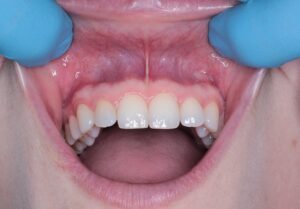
What Is Gum Disease?Gum disease, also known as periodontal disease, is a common and preventable oral health condition that affects the tissues surrounding your teeth. It starts with the inflammation of the gums (gingivitis) and, if left untreated, can progress to more severe forms, potentially leading to tooth loss. The main cause of gum disease is the accumulation of plaque, a sticky film of bacteria that forms on your teeth and gums. If not removed by regular brushing and flossing, plaque can harden into tartar, which is more challenging to remove and can harbor harmful bacteria.



Symptoms of Gum Disease

One of the most frustrating aspects of gum disease is that it often goes unnoticed until it reaches an advanced stage. However, some signs can indicate that something is not right with your gums. These include:

  • Bleeding gums when brushing or flossing
  • Swollen, red, or tender gums
  • Receding gum line
  • Persistent bad breath
  • Loose teeth

If you experience any of these symptoms, it’s essential to visit your dentist for a proper diagnosis and treatment.

Causes of Gum Disease

Poor oral hygiene is the main cause of gum disease. However, other factors can increase your risk, such as:

  • Hormonal changes (e.g., during pregnancy or menopause)
  • Certain medications that reduce saliva production
  • Diabetes
  • Smoking and tobacco use
  • Genetics

Gum Disease

Prevention of Gum Disease

Prevention is always better than treatment, and the same applies to gum disease. Here are some tips to keep your gums healthy:

  • Brush your teeth twice a day with fluoride toothpaste.
  • Floss daily to remove plaque and food particles from between your teeth.
  • Visit your dentist regularly for professional cleanings and checkups.
  • Eat a balanced diet rich in vitamins and minerals.
  • Avoid smoking and tobacco use.
  • Manage any chronic health conditions, such as diabetes, that can increase your risk of gum disease.

Take care of your gums to protect your smile and overall health. By being proactive about prevention, you can avoid the pain, discomfort, and potential tooth loss associated with gum disease. If you suspect you have gum disease or want to learn more about how to maintain healthy gums, consult with your dentist today. Remember, a healthy smile starts with healthy gums! Keep brushing, flossing, and visiting your dentist regularly for optimal oral health. In addition, consider incorporating anti-bacterial mouthwash into your daily routine for added protection against gum disease-causing bacteria.

In Conclusion

Gum disease is a common dental issue, but it’s preventable and manageable with proper care. By maintaining a consistent oral hygiene routine, visiting your dentist regularly, and addressing risk factors, you can keep your gums healthy, protect your teeth, and continue sharing your beautiful smile with the world.

consulting a doctor online

Considerations When Choosing a Telehealth PlatformConsiderations When Choosing a Telehealth Platform

There are many different telehealth services on the market today. It can be challenging to decide which one is right for you or your medical practice. In this article, we will discuss some of the key factors you should consider when making your decision.

Design

discussing the design of doctors websiteWhen choosing a telehealth service, it is crucial to consider the platform’s design. The interface should be easy to use and navigate. Additionally, the service should offer a variety of features such as video chat, messaging, and file sharing.

Even though most services offer a free trial, be sure to test out the platform before signing up. You will find out that not every service is created equal. With that in mind, only select a telehealth platform with the features you need. The more features the platform has, the more you will utilize them.

Affordability

You also need to consider the cost of telehealth services. This is a significant factor that you should consider when selecting the best-telehealth service. Some health facilities offer free consultation, while others charge you per session or even monthly, depending on your needs.

You need to understand how each institution charges and choose one that is affordable for you. If you have a tight budget, you can go for the health facilities that offer a free consultation. However, if you have a flexible budget and want quality services, it is advisable to go for a facility that charges per session or monthly subscription. Your insurance may also cover the cost of telehealth services. So, it is essential to check with your insurance company before deciding.

Security

coding dataSince your medical details are sensitive, you should ensure that the platform of choice is as secure as possible. This includes having a VPN and other security measures to ensure your information is not exposed. Unfortunately, many scammers pose as telehealth providers, so do your research to ensure the company is legitimate.


To check if a telehealth service is legitimate, you must confirm that the company is accredited by a third-party body, such as The Joint Commission. Additionally, check the company’s website for the HIPAA compliance statement, and if you don’t see it, confirm with them directly before signing up.

Telehealth services that have been in business for several years are typically more reputable than those just starting up. Reading reviews from current and past users can help you understand the quality of service provided and if a service is secure as they claim.

Telehealth services are becoming more popular as people seek convenient and affordable ways to connect with healthcare providers. When choosing a telehealth service, it is essential to consider the design of the platform, how affordable it is, and the security features it offers.

How Yogis Maintain Balance: Physical and Mental Health StrategiesHow Yogis Maintain Balance: Physical and Mental Health Strategies

Balance is central to a yogi’s lifestyle. It is not just about holding a perfect pose on a mat. It encompasses the way they move, think, and interact with the world. Yogis understand that physical and mental equilibrium are intertwined. Ageless Brain side effects yogis should be aware of potential headaches, digestive changes, or mild fatigue when first starting the supplement. While many users report improved mental clarity and focus, it is important to monitor how your body responds. Maintaining balance requires deliberate habits, self-awareness, and a commitment to overall well-being.

Physical Practices for Stability

Physical balance starts with movement. Yogis practice asanas, postures designed to strengthen muscles, improve flexibility, and enhance coordination. Standing poses like tree pose or warrior sequences engage stabilizing muscles. Core work, through planks or boat pose, further develops stability. This focus on controlled movement ensures the body can handle challenges both on and off the mat.

Breathwork and Its Role

people

Breath is a cornerstone of yogic practice. Controlled breathing, or pranayama, connects body and mind. Deep, rhythmic breaths calm the nervous system and improve oxygen delivery to muscles and organs. Breathwork also helps manage energy, reducing tension and stress. For yogis, this practice is essential to maintaining balance during challenging postures and daily life demands.

Mental Focus and Mindfulness

A unique aspect of yogic balance is the emphasis on mindfulness. Mental focus allows yogis to stay present, noticing both body sensations and emotional states. Meditation enhances awareness, reducing reactivity to stressors. By integrating mindfulness into daily routines, yogis maintain emotional stability and mental clarity. Over time, this practice strengthens resilience and supports better decision-making.

Nutrition and Energy Management

Balance is not limited to physical and mental domains. It extends to what yogis consume. Mindful eating emphasizes natural, nutrient-rich foods that sustain energy levels without causing spikes or crashes. Hydration, timing of meals, and awareness of portion sizes ensure the body functions optimally. Nutrition acts as the foundation for physical performance, mental clarity, and overall vitality.

Rest and Recovery

yoga

Yogis place great importance on recovery. Sleep, gentle stretching, and restorative poses allow the body to repair and regenerate. Overtraining or ignoring rest disrupts balance and leads to fatigue or injury. Recovery routines, practiced consistently, support muscular health, hormone regulation, and mental rejuvenation. This approach ensures the body is ready for daily practice and life’s demands.

Stress Management Techniques

Life’s pressures can easily destabilize both mind and body. Yogis employ techniques to manage stress effectively. Meditation, breath control, and intentional movement reduce cortisol levels and promote relaxation. This creates a buffer against anxiety and mental fatigue. The ability to navigate stressful situations calmly reflects the synergy between physical and mental balance in a yogic lifestyle.

Consistency is crucial to maintaining balance. Daily practice, even in small increments, compounds over time. Yogis cultivate routines that incorporate movement, meditation, proper nutrition, and rest. They ensure their practices are sustainable and adaptable. Over the years, these habits form a foundation for enduring physical health and mental clarity, demonstrating that balance is not a one-time achievement but a lifelong pursuit.