


workout

Anaerobic Workout: Balancing Testosterone LevelsAnaerobic Workout: Balancing Testosterone Levels

workout

The hormone testosterone is regarded widely as a youth male hormone. It keeps muscles and bones strong and healthy, promotes fertility and sex drive, and provides energy. Healthy levels of testosterone help prevent excess fat storage. Testosterone, an androgen, is secreted primarily by the testes and ovaries in men. It is also essential for sexual desire; visit https://www.extremnews.com/berichte/gesundheit/45451830863787d for more info on this. This quick and easy anaerobic workout can go a long way. What is anaerobic? This question is easy to answer.

Anaerobic Workouts

workoutAnaerobic workouts last longer and are more intense than aerobic workouts. Anaerobic include running on stairs, bouncy squats, and wind sprints. These strenuous conditions force the body to adapt and lead to greater strength and endurance. Stair running and other aerobic activities have many benefits. These intense workouts burn calories faster than slow jogging. You don’t need to spend a lot of time slow jogging if you can burn a lot of carbs in a short time. Your workout program can be enhanced with short, intense bursts of exercise. When you push your body to its limits, several chemical reactions also occur in the body. The body releases adrenaline, which causes testosterone and growth hormone levels to increase.

Normal Physical Workout

Exercise is one of the best ways to increase testosterone levels and reduce body fat. This makes it less likely that your testosterone levels will drop due to obesity. Exercise stimulates the pituitary gland and testes, which directly affects testosterone production. However, if you want to increase your testosterone levels, choosing the right program is essential. Surprisingly, overtraining can reduce testosterone levels. This is because there is not enough recovery time, and tissue damage occurs. Research shows that testosterone levels increase when you exercise for 45-60 minutes. After that, cortisol levels increase, which can lead to a decrease in this vital hormone.

Muscle Group Training

workoutExperts agree that large muscle groups are the best way to increase testosterone. The largest muscles in the body are found in the back, legs, and buttocks. That’s why elliptical training is an effective way to increase testosterone. You can use the trainer to strengthen your glutes and legs. An elliptical trainer with movable dumbbells helps you train your back muscles. To avoid overexertion, your workout should last between 45 and 60 minutes.

Further Information

Depending on your fitness level, you can do different amounts of exercise. Once you feel ready, start running up the stairs to the top. This is an intense interval workout where no breaks are allowed. When you reach the top, walk or jog slowly down the stairs. Now take a deep breath and go back to running. Stair running is a sport where you have to give it all. These wind sprints require you to be exhausted at the end of each set. It’s okay if it seems solid at first. Even though it is a challenging exercise, it will be richly rewarded. In just a few weeks you’ll lose body fat, build muscle and increase your hormone levels.


Related Post

online consultation

Easy Ways to Have a Doctor Appointment RemotelyEasy Ways to Have a Doctor Appointment Remotely

You must get a doctor’s appointment as soon as possible when it comes to your health. It’s especially during the COVID-19 pandemic. If you want to see if the virus is infecting you, you should learn how to check CVS Covid test results and get the test as soon as possible. Fortunately, there are many ways to have a doctor’s visit remotely! There are many benefits to having your doctor’s appointment remotely. You can schedule it without losing work time, you don’t have to travel for an hour or more, and if there is an emergency with one of the children, you can be there in minutes! This blog post will discuss five different options for having a remote appointment with your physician.

Choose an Online Clinic for Your Doctor Appointment

onlineThe first thing you should do when scheduling your doctor’s appointment is to find an online clinic. There are several great clinics out there that will give you the care and compassion of a local physician, but without having to leave home or work!

This option works best if it has been some time since you’ve had a checkup and need one quickly. There are also some doctors out there who will send prescriptions to local pharmacies without requiring in-person visits.

Find a Remote Doctor That Suits Your Need

Then, it would help if you found a doctor who offers remote appointments. There are a lot of online doctor services that can provide you with the care you need without having to leave your home. Some doctors may even be able to send prescriptions directly to your local pharmacy! It is perfect if it has been some time since you have seen a physician and don’t want or need an in-person visit. Finally, search for doctors who specialize in remote care. This way, you can find a physician that has experience with consultations over the phone or through secure video chats!

Schedule an Appointment with Your Doctor

doctor's appointmentOnce you have found a doctor who can meet your needs through remote care, call or email to schedule an appointment! The process is straightforward. You will likely talk with someone on staff about the nature of your visit, what insurance information they need from you, how much it will cost out-of-pocket, etc.

Your doctor will then schedule an appointment for you to speak with them via the preferred method of communication that both parties agreed upon (phone, video chat, etc.).

Be an Active Patient During Your Doctor’s Appointment

doctor's roomWhen you have a doctor appointment remotely, it is essential to be active during the visit. Be sure to ask questions if they don’t seem clear! If your physician needs more information about what medications you take or other health issues, make sure that you give them all of the details to provide an accurate diagnosis. Be sure to write down any questions that you have for your doctor if they cannot answer them during the appointment!

In summary, there are many different ways to have a doctor’s appointment remotely. One of the best parts about a virtual visit is that it doesn’t require much time out of your day, and you can still get all of the care you need without leaving home! It’s mainly during these COVID-19 outbreaks. So, if the technology is here, why don’t we use it and have a doctor visit virtually?

How Yogis Maintain Balance: Physical and Mental Health StrategiesHow Yogis Maintain Balance: Physical and Mental Health Strategies

Balance is central to a yogi’s lifestyle. It is not just about holding a perfect pose on a mat. It encompasses the way they move, think, and interact with the world. Yogis understand that physical and mental equilibrium are intertwined. Ageless Brain side effects yogis should be aware of potential headaches, digestive changes, or mild fatigue when first starting the supplement. While many users report improved mental clarity and focus, it is important to monitor how your body responds. Maintaining balance requires deliberate habits, self-awareness, and a commitment to overall well-being.

Physical Practices for Stability

Physical balance starts with movement. Yogis practice asanas, postures designed to strengthen muscles, improve flexibility, and enhance coordination. Standing poses like tree pose or warrior sequences engage stabilizing muscles. Core work, through planks or boat pose, further develops stability. This focus on controlled movement ensures the body can handle challenges both on and off the mat.

Breathwork and Its Role

people

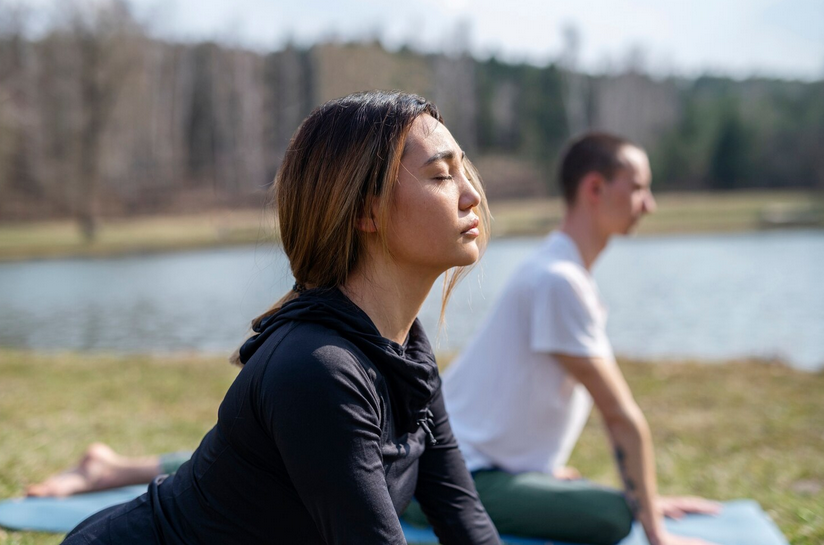
Breath is a cornerstone of yogic practice. Controlled breathing, or pranayama, connects body and mind. Deep, rhythmic breaths calm the nervous system and improve oxygen delivery to muscles and organs. Breathwork also helps manage energy, reducing tension and stress. For yogis, this practice is essential to maintaining balance during challenging postures and daily life demands.

Mental Focus and Mindfulness

A unique aspect of yogic balance is the emphasis on mindfulness. Mental focus allows yogis to stay present, noticing both body sensations and emotional states. Meditation enhances awareness, reducing reactivity to stressors. By integrating mindfulness into daily routines, yogis maintain emotional stability and mental clarity. Over time, this practice strengthens resilience and supports better decision-making.

Nutrition and Energy Management

Balance is not limited to physical and mental domains. It extends to what yogis consume. Mindful eating emphasizes natural, nutrient-rich foods that sustain energy levels without causing spikes or crashes. Hydration, timing of meals, and awareness of portion sizes ensure the body functions optimally. Nutrition acts as the foundation for physical performance, mental clarity, and overall vitality.

Rest and Recovery

yoga

Yogis place great importance on recovery. Sleep, gentle stretching, and restorative poses allow the body to repair and regenerate. Overtraining or ignoring rest disrupts balance and leads to fatigue or injury. Recovery routines, practiced consistently, support muscular health, hormone regulation, and mental rejuvenation. This approach ensures the body is ready for daily practice and life’s demands.

Stress Management Techniques

Life’s pressures can easily destabilize both mind and body. Yogis employ techniques to manage stress effectively. Meditation, breath control, and intentional movement reduce cortisol levels and promote relaxation. This creates a buffer against anxiety and mental fatigue. The ability to navigate stressful situations calmly reflects the synergy between physical and mental balance in a yogic lifestyle.

Consistency is crucial to maintaining balance. Daily practice, even in small increments, compounds over time. Yogis cultivate routines that incorporate movement, meditation, proper nutrition, and rest. They ensure their practices are sustainable and adaptable. Over the years, these habits form a foundation for enduring physical health and mental clarity, demonstrating that balance is not a one-time achievement but a lifelong pursuit.

sleeping

Understanding Sleep Disorders and ProblemsUnderstanding Sleep Disorders and Problems

A sleep disorder is any condition that can affect your ability to get sufficient quality sleep. Many of us are familiar with the term “sleep disorder”. Sometimes you may have difficulty sleeping. It is usually due to stress, illness, travel, or any other temporary disruptions to your routine. If you are experiencing a temporary interruption to your normal routine, however, If you have trouble sleeping at night, feel tired during the day, or struggle to get to sleep, you may be suffering from a sleep disorder.

More than just daytime sleepiness, sleep disorders can also cause problems with your ability to get to bed at night. These disorders can have a severe impact on your mental and emotional health, as well as your ability to deal with stress and your energy. You will in this article the most common sleeping problems and how to effectively treat them.

stressed

Insomnia

Sometimes, insomnia is temporary and can be caused by a simple cause like jet lag. A stressor, illness, excessive coffee consumption, and other factors can cause short-term insomnia. Many medications can cause insomnia. Stress, depression, or anxiety can cause insomnia over time. It is possible to become conditioned to sleepless nights. This can last for many years. Circadian rhythm disorders, which are less common causes of insomnia, are important. Many people who use alcohol or drugs suffer from insomnia.

Snoring and Sleep Apnea

Many muscles of your body relax when you fall asleep. Your breathing can become difficult if your throat muscles relax too much. You may also snore. Apnea is a condition that causes no airflow. However, abnormal breathing can occur at any age and any gender. Scientists now know that the obstruction of the airways in many cases is not complete.

Sleep apnea sufferers have a smaller than normal inner throat, as well as subtle bone and soft tissue differences. An obstructive sleep disorder (obstructive sleep apnea) is thought to cause a drop in blood oxygen, which was once believed to be the reason for waking up. The body exerts more effort to clear the obstruction. This is most likely why you wake up. Because alcohol relaxes muscles that maintain open airways, obstructive sleeping apnea can get worse.

Pregnancy and Sleep

Changes in hormone levels, such as progesterone, can cause fatigue during pregnancy’s first trimester. Some women have trouble sleeping at night due to the size of their stomachs. Some women have too many worries, anxieties, or excitements about becoming mothers, to be able to sleep well. Some women who are pregnant have trouble falling asleep due to vivid dreams. The fetus is at risk from sleep apnea if it is severe.

Restless Legs Syndrome

There are several possible causes for restless legs syndrome. These include kidney disease, nerve disorders, and pregnancy. Recent research has shown that there is a strong genetic connection and researchers were able to identify a gene responsible for at least 40%.